
What “MOQ” Really Means for Home Projects — and When to Ignore It
The first question most villa buyers ask a China factory is “what is your MOQ?”, and the honest answer is that the question is aimed at the wrong part of the order. For fully custom casework — a kitchen, a walk-in, a bedroom package — there is no production run in the usual sense, because every unit is one of a kind: the factory will make one island and one island’s drawer bank, not fifty. The minimums that do exist live upstream of the furniture, in the materials and the container, and they work differently from the per-item minimums the term was built for. The definition and the three drivers below come from a September 2026 furniture MOQ guide; the pricing-threshold case study from an August 2026 China-sourcing guide documenting first-time buyer mistakes; both are cited in the sections where they are used.
The short version: ignore any MOQ a supplier quotes on the finished furniture, because for a custom villa project the meaningful minimums are the board sheet, the veneer lot, the finish colour run, the hardware pack and — above all — the container. Those five minimums are visible in a good quotation, manageable in a good specification, and invisible in a vague one. This guide walks the five, and the moves that deal with each without inflating the order.
In This Guide
- Why the Villa Order Has No Real MOQ
- The Three Constraints, in Villa Terms
- MOQ Is a Pricing Threshold, Not a Floor
- When to Ignore the MOQ
- The Moves That Actually Work
- The Five Minimums, and the Move for Each
- Frequently Asked Questions
- Is there an MOQ for custom villa furniture from China?
- What is a typical furniture MOQ, and how is it set?
- Why does the price jump when the order is below the MOQ?
- Can I mix different rooms in one container to reach the minimum?
- Is LCL shipping a good way to order below the MOQ?
- How do you actually negotiate the MOQ down?
Why the villa order has no real MOQ
A furniture MOQ is, in the standard trade definition, the smallest order a factory will accept for a given item — and the 2026 guides are blunt that there is no industry-standard number, because the minimum is not set by the furniture at all. It is set by one of three constraints: how much space the goods take in a container, how the raw timber is bought and dried in batches, and how much fixed setup time a production run costs no matter how many pieces come out of it. The useful question, the guide puts it, is not what the MOQ is but which of those three constraints is creating it — because each one has a different workaround, and a supplier who cannot name the constraint behind its number is quoting a habit, not a cost.
A mass-produced order (two hundred identical dining chairs) lives under all three constraints at once, which is why the term makes sense there. A custom villa order lives under none of them in its finished form: the kitchen is not going to be reproduced, the walk-in is not going to be re-ordered, and the factory’s willingness to make one of each is the entire business model of a bespoke supplier. So when a quote for your villa arrives with an “MOQ” line on it, read it as a signal about the inputs, not about the rooms. The next section names the inputs.
The three constraints, in villa terms
The first constraint is the container, and it is the only one that survives to the port. A 40-foot high cube carries roughly 67–76 cubic metres of usable volume, a standard 40-foot about 60–67, and a 20-foot about 28–33 — and sea freight is priced per container, not per piece, so a half-empty box costs almost the same as a full one. That is why a supplier quoting a minimum in “units” is usually just telling you what it takes to fill a box sensibly; the number is a volume wearing a unit-count costume. For a villa the arithmetic works in the buyer’s favour: a whole-house interior package is exactly the kind of mixed load that fills a container by room, which is the whole point of the LCL vs FCL guide.
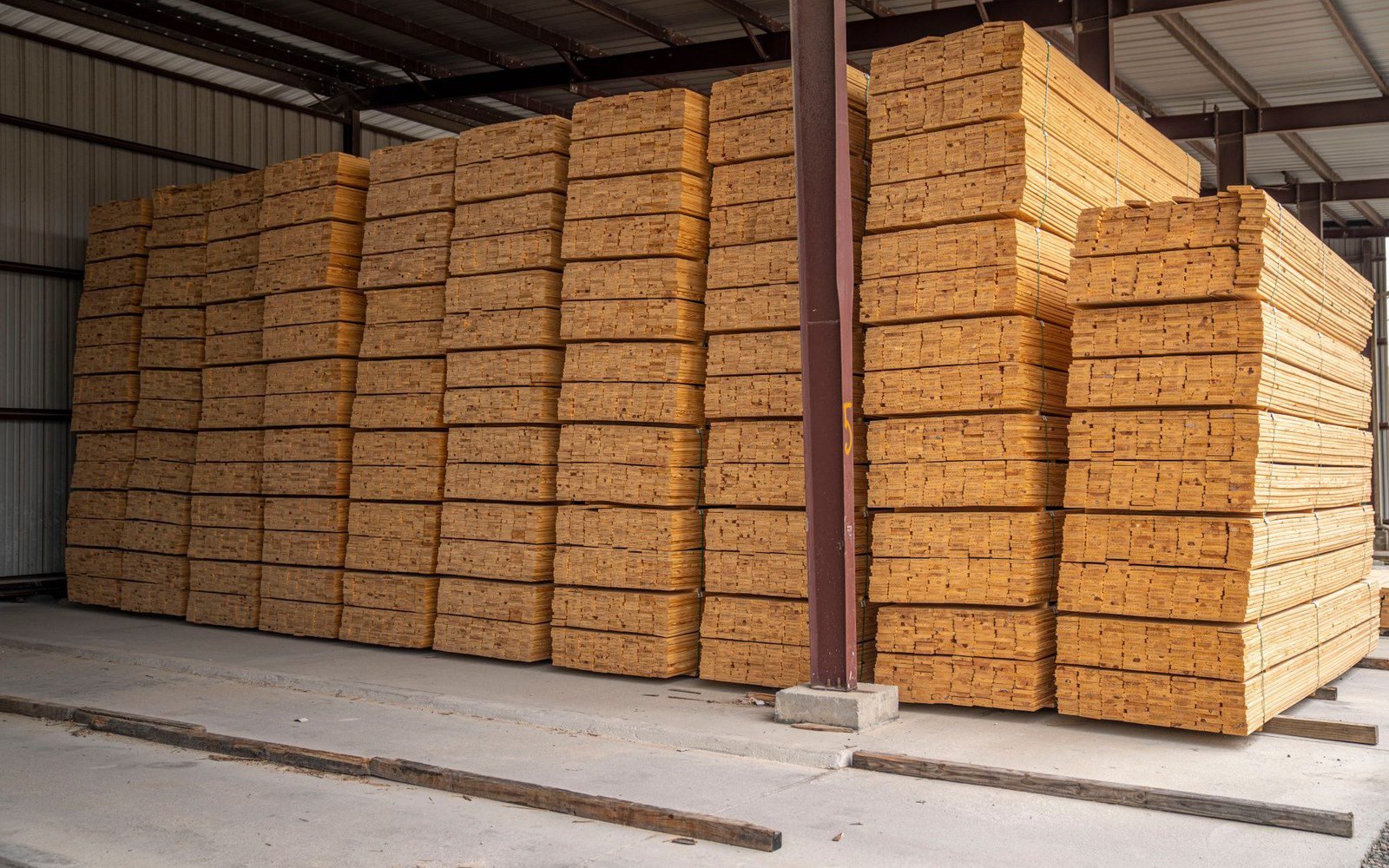
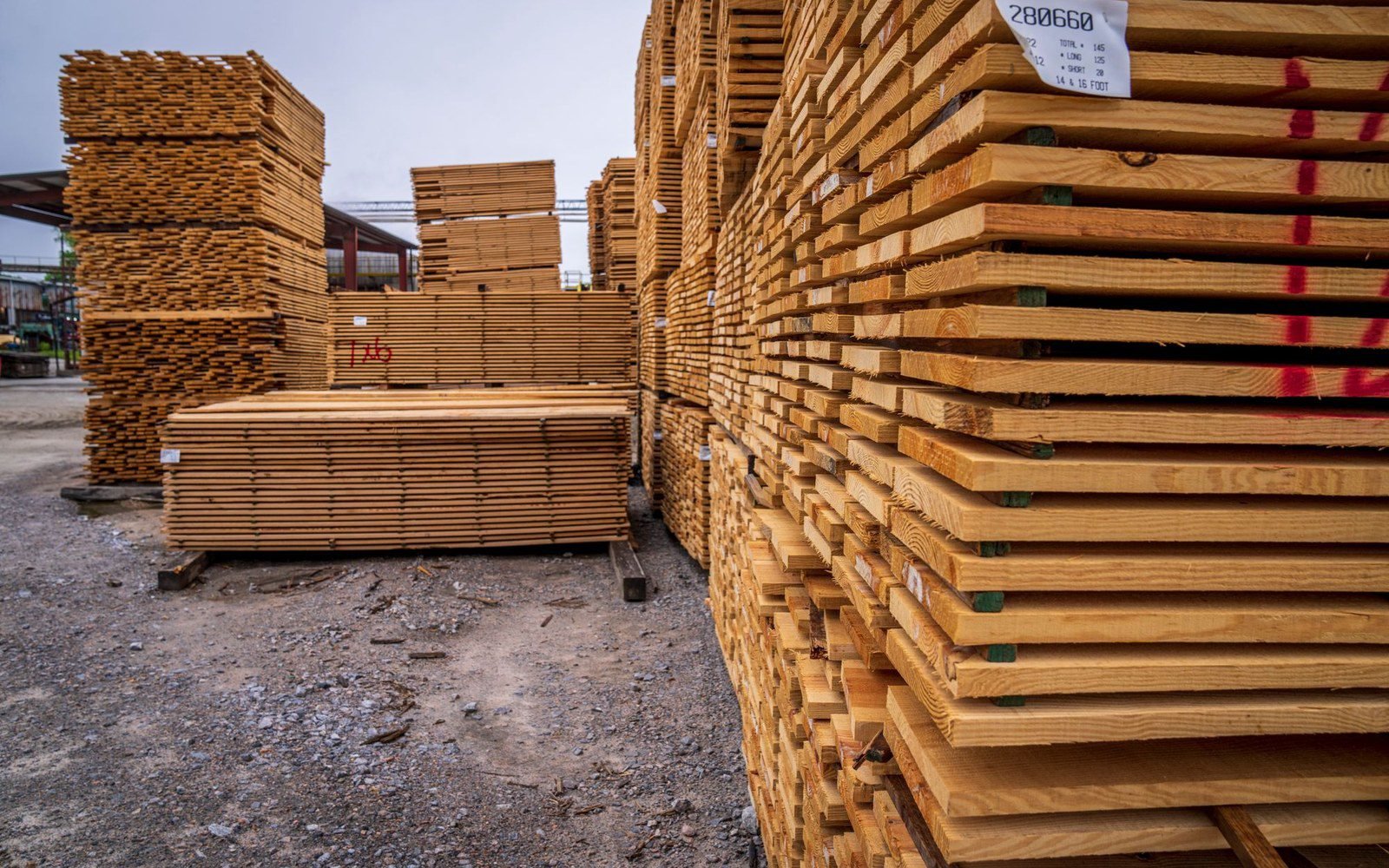
The second constraint is upstream: timber and board move in chamber and sheet quantities. Sawn timber is kiln-dried in chamber loads that take days, and a kiln does not run half full for one customer; panel board is sold in sheets, and the factory’s minimum is a sheet, not a cabinet. The third is setup, and it is the one buyers underestimate: jigs set up, machines programmed, a first article made and checked, finishing sprayed and cured, packaging artwork prepared, quality plan run — the same front-loaded work for a five-unit run as a fifty-unit run. Spread across fifty it disappears into the unit price; spread across five it is visible, and often ugly. The numbered factory process is where that setup happens once, correctly, instead of five times.
MOQ is a pricing threshold, not a floor
The 2026 sourcing guide’s documented case is the one to remember. A boutique hotel needed thirty custom headboards; the factory’s MOQ was fifty. The buyer agreed to order fifty, planning to use the extras as spares — and discovered that the per-unit cost at fifty was 40% higher than at two hundred, because the setup costs (molds, jigs, sampling) were spread across fewer units. The buyer ended up paying more for fifty headboards than it would have for eighty, a documented overpayment of roughly $4,200 plus twenty unused units in storage. The lesson the guide draws is the whole article in one line: MOQ is not just a minimum, it is a pricing threshold, and the fix is to ask for price breaks at different quantities before the number is agreed, because the step between “at the MOQ” and “below the MOQ” is a jump, not a slope.
The villa version of the trap is quieter. It is the quote where adding one more room costs more than the first two, because each additional finish colour or hardware family restarts a setup, or where the single-bedroom sample order was priced at a unit rate that quietly assumed a whole-house volume. The check is the same in both cases: ask what the price is at your quantity, not at the factory’s, and read the BOM’s batch logic instead of the headline. The BOM guide is where that reading gets done line by line.
When to ignore the MOQ
The answer to the title question has two parts. Ignore it on the finished furniture, always, for a custom villa order: the minimum for one-of-a-kind casework is one, and a supplier that insists otherwise is either describing its standard catalogue (in which case it is not a bespoke supplier) or protecting a setup cost it has not yet explained. Respect it on the inputs and the container, always: the sheet, the veneer lot, the colour run, the hardware pack and the box are real physical minimums, and pretending they are not is how orders quietly gain cost or lose lead time.

The practical boundary is the container line. Below one container, the freight minimum (the per-cubic-metre penalty of loose cargo, plus deconsolidation and destination charges that a full container avoids) is the number that actually governs whether a small order is economical at all — which is the LCL side of the LCL vs FCL equation and the reason most villa packages start at one full box. Above it, the per-item minimums largely dissolve into the container: a mixed load of four to six rooms in commercial quantities is a normal order, and the packing-by-room method is what makes the box fill without padding it with unwanted units.
The moves that actually work
The 2026 MOQ guide’s workarounds translate to villa buying almost word for word. Ask what the minimum is protecting — if a supplier names a container number, it can be solved by mixing rooms; if it names a kiln or sheet number, it can be solved by accepting the standard material grade; if it names a tooling number, it cannot be solved at all, and knowing which of the three you are looking at saves everyone the argument. Consolidate runs instead of units: two rooms in the same finish colour and the same hardware family is far cheaper to make than the same two rooms split across four finishes, which is why the kitchen guide carries the batch rule — same veneer lot, same nesting run, one finishing pass. Order for the season, not the month: a single consolidated production window prices better than the same volume in scattered top-ups, and it matches the factory’s kiln and finish schedule rather than fighting it.
Two cautions close the list. First, check who is quoting: a trading company can offer any minimum it likes by splitting somebody else’s production run, and the minimum it advertises says nothing about who is accountable when quality goes wrong — the contract guide is where the manufacturer-versus-trader question gets put in writing, with the company account and the per-supplier contract as the test. Second, a very low advertised MOQ deserves the same suspicion as a very low price: ask whether the minimum is per item or per order (fifty per item across six items is a three-hundred-item order), and whether the quoted unit price holds at that quantity or was calculated at a much larger one.
The five minimums, and the move for each
| Minimum | The real unit | Where it appears in the quote | The move |
|---|---|---|---|
| Board | The sheet | Carcass and door stock | Accept standard grades; use nesting to share sheets across rooms |
| Veneer | The lot | Finish schedule | One lot, one run — the batch rule on the BOM |
| Finish colour | The run | Colour schedule per room | Consolidate colours across rooms where the design allows |
| Hardware | The pack | Hinge/runner/pull-out counts | Order full packs; count, never “included” |
| Container | The box (28–76 cbm) | Freight and packing lines | Fill by room; one production window per villa |
That table is the entire negotiation: five lines, each with a physical minimum the factory cannot flex and a specification choice the buyer can. The pricing guide is where the same five lines are read against the number, and the pre-shipment inspection is where the batch and the pack counts are verified against the BOM before the container seals — because a minimum that was managed on paper but lost in production only becomes visible after the ocean.
Frequently asked questions
Is there an MOQ for custom villa furniture from China?
On the finished furniture, effectively no: fully custom casework is one-of-a-kind, so the minimum for the island, the run or the walk-in is one. The minimums that do exist are on the inputs — the board sheet, the veneer lot, the finish colour run, the hardware pack — and on the container, which is the only minimum that survives to the port. Read any “MOQ” line on a villa quote as a statement about those five, not about your rooms.
What is a typical furniture MOQ, and how is it set?
There is no industry-standard number, and the 2026 guides are explicit that a supplier quoting one without asking what you want is guessing. Most mass-produced minimums are really a volume number in unit clothing: a 40-foot high cube holds roughly 67–76 cubic metres, a 20-foot about 28–33, and the per-item minimum lands wherever the packing math fills the box — around a thousand flat-packed chairs, a few hundred larger items, or far fewer assembled pieces.
Why does the price jump when the order is below the MOQ?
Because the fixed costs of a run stay fixed: machine setup, first-article inspection, finishing and cure, packaging preparation and the quality plan all cost the same at fifty pieces as at five hundred, so at fifty they land much harder on each unit. A documented case had the per-unit cost at fifty run 40% above the price at two hundred — the buyer paid more for fifty headboards than it would have for eighty. Ask for price breaks at different quantities before the number is agreed.
Can I mix different rooms in one container to reach the minimum?
Yes — that is how villa orders are normally built. A 40-foot holding four or six rooms in real quantities is a standard mixed load, and the limit is not the item count but the number of separate setups: many rooms in the same finish and hardware families run smoothly, while a dozen one-off finishes brings the setup cost back. The packing-by-room method is what makes the box fill without dead space.
Is LCL shipping a good way to order below the MOQ?
For samples and small top-ups, yes; for a villa package, usually no. LCL is priced per cubic metre and picks up handling, deconsolidation and destination charges that a full container avoids, so at small volumes the landed cost per cubic metre can be brutal. A 20-foot box — about 28–33 cubic metres — is the realistic floor for a full interior package, and the LCL vs FCL guide works out when the exception applies.
How do you actually negotiate the MOQ down?
Ask what the minimum is protecting first: a container number can be solved by mixing rooms, a material number by accepting the standard grade, and a tooling number cannot be solved at all. Where a real negotiation exists, it works by offering something in return — a longer lead time so the order slots beside other production, standard models and finishes, a repeat commitment, or a unit price that reflects the smaller run. Asking for a lower number in isolation rarely works.
Send us the room list and the floor plan — and we will return the specification with the five minimums already managed: shared sheets, one veneer lot, consolidated colour runs, full hardware packs and a box that fills by room, with the pricing breaks worked in before you sign.



One Comment