
Numbered Villa Interiors Factory: Cutting, Drilling, Packing
Between the moment you confirm your design and the moment the container ships, every villa interior goes through the same five steps: parts are cut, they are pre-drilled, they are checked, they are packed into numbered crates, and they are loaded. None of this is unusual on its own. What makes it unusual is that it is done so your installer can put the room back together without guessing. This page walks through what actually happens on the factory floor, step by step, so you can see the thinking behind a villa interior that installs cleanly on site. For the full client workflow from drawings to delivery, see our villa interiors sourcing guide.
In This Guide
- Why Your Villa Interiors Arrive as Numbered Parts
- How the Factory Numbering Works, Step by Step
- What ‘Pre-Drilled and Pre-Assembled’ Actually Means
- How Parts Are Checked Before They Leave the Factory
- Numbered Crates: Packing So Nothing Is Missing on Site
- What This Means for Your Project
- Frequently Asked Questions
- What exactly gets numbered on a villa interior?
- How do I know my villa interior will install correctly on site?
- Is the crating compliant with import rules?
- Can you produce our drawings exactly as designed?
- What does pre-assembly change for the install?
- How is this different from a local carpenter building it?
Why your villa interiors arrive as numbered parts
A villa interior is built from many loose parts: doors, drawer fronts, carcass panels, tops, kick plates, shelves and hardware. On a domestic job, a carpenter can often figure out which piece goes where, because they can call the cabinetmaker. On an export project, the installer and the factory are in different countries, and the person who reads the parts list may never have seen the design. Numbering is how the factory removes that guesswork. Every panel is marked with a part number, every hole is positioned for a specific part, and every crate carries the same numbers, so the room can be rebuilt from its labels alone.
How the factory numbering works, step by step
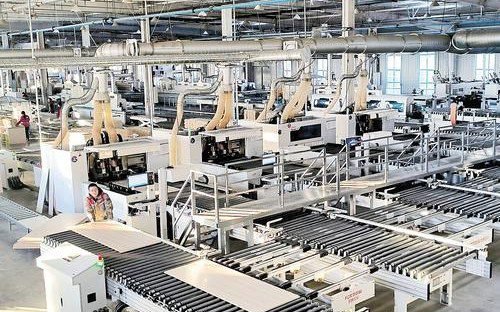
Numbering starts before any cutting. The factory works from your drawing set, and each part in the design gets a consistent identifier that survives all the way to the crate label. From there the flow is deliberately simple: cut, mark, drill, bundle and pack. Cutting is done to the part list, so each panel comes off the machine as a specific, labelled component, not a pile of identical boards. The part number is applied while the panel is still on the line, which keeps the marking and the physical piece together. Pre-drilling follows, with each hole position tied to a named part and the hardware that goes in it. Bundling groups the parts of a single unit or room, and packing is where the crate labels are applied to match the part numbers inside.
What ‘pre-drilled and pre-assembled’ actually means
Pre-drilling means the factory drills the holes for your hardware, hinges, runners and connectors before the parts are packed, so the installer does not have to set up a drill press on site. The holes are positioned for the specific part they belong to, which reduces the most common source of on-site error, a hole in the wrong place. Pre-assembly goes one step further: some units are partly or fully built and tested in the factory, so the installer is closing up a finished unit, not building a flat pile of boards. What this means in practice is fewer tools, less dust, and a much tighter install.
How parts are checked before they leave the factory
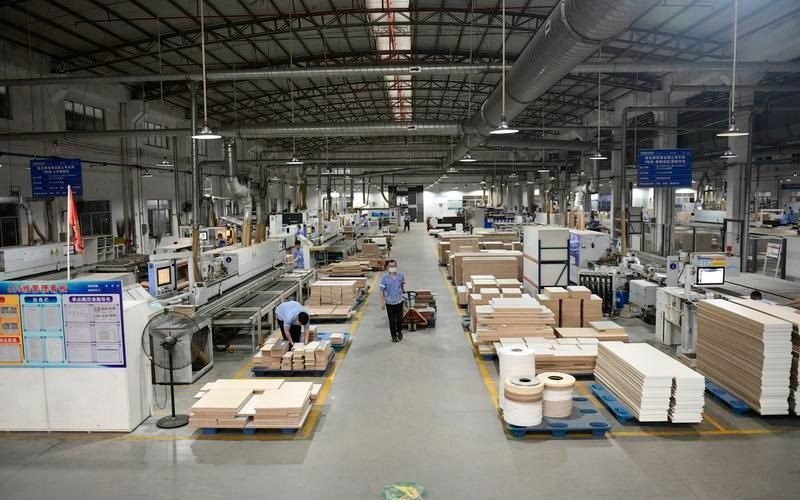
Before anything is packed, the parts are checked against the drawing set. The goal is to catch a missing or mismatched panel while it can still be fixed cheaply, in the factory, not discovered during install, on site, weeks later. The check confirms that the part numbers are complete and that the drilled holes match the hardware list. This is the step that turns a crate of boards into a documented, buildable unit.
Numbered crates: packing so nothing is missing on site
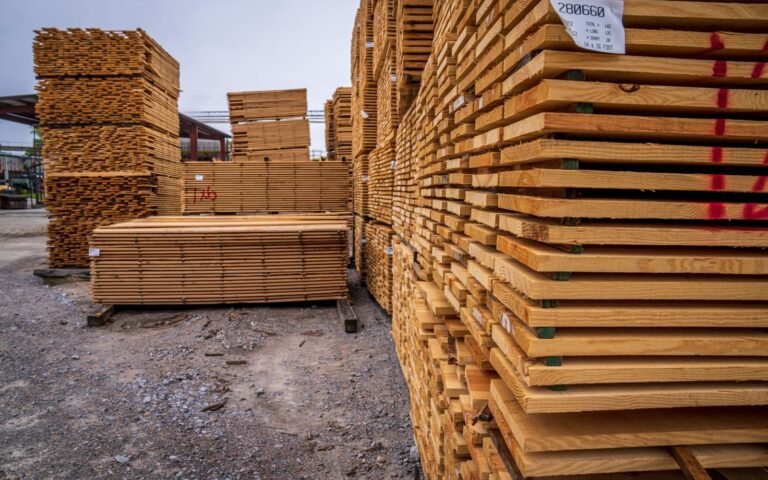
Crate packing is treated as part of the product, not an afterthought. Each crate is labelled with the same numbering used on the parts inside, so the installer can open a crate and know exactly which room or unit it belongs to. Solid-wood crating follows the ISPM-15 standard, which requires heat treatment of the packaging wood so the crate clears import inspection in the destination country. The point of numbered crates is simple: the labels you see on the pallet are the labels the installer will read on the floor.

What this means for your project
None of this is visible in the finished room. That is the point. A villa interior that arrives numbered, pre-drilled and in matching crates installs faster, wastes less labour, and is far less likely to end up with a door in the wrong place. For a client, the payoff is a cleaner handover: the factory does the thinking, and the installer does the closing up.
Frequently asked questions
What exactly gets numbered on a villa interior?
The structural and finish parts: carcass panels, doors, drawer fronts, tops, shelves, kick plates and any custom boards. The same number travels from the part, to its bundle, to its crate, so the labels stay consistent from the factory line to the install.
How do I know my villa interior will install correctly on site?
Because it is checked as a documented, buildable unit before it is packed. The part numbers are complete, the drilled holes match the hardware list, and the crate labels match the contents, so the installer works from a clear set, not a guess.
Is the crating compliant with import rules?
Solid-wood packaging is heat treated to the ISPM-15 standard, which is what clears import inspection in most destination countries. If your market has specific packaging or labelling rules, tell us before production so the crates are built to them.
Can you produce our drawings exactly as designed?
Yes. We work from your approved drawing set and part list, and we will flag anything that looks unbuildable or that will not install cleanly before it is cut, not after the container has shipped.
What does pre-assembly change for the install?
It moves the detailed, error-prone work into the factory. The installer closes up units that are already built and tested, which shortens the on-site fit-out and reduces the tools, dust and time needed in the villa.
How is this different from a local carpenter building it?
A local carpenter improvises from memory and can call the cabinetmaker. A numbered export set is built so it can be reconstructed from its labels alone, by someone who has never seen the design, which is the standard that makes off-site production reliable.
If you’re planning a villa interior and want it to arrive ready for a fast, error-free install, how it works is the full client-side explanation, and our villa interiors range shows the products it covers. For project-specific questions about numbering, pre-drilling or packing, message us to start a quote.



3 Comments