Incoterms Explained for Homeowners: FOB, CIF and DDP in Plain English
The same villa project can come back to you quoted three different ways — “FOB Nansha”, “CIF Sydney”, “DDP your site” — and the three numbers will not line up. When you compare furniture suppliers in China, that last three-letter string is not fine print. It decides who pays the freight, who buys the insurance, who clears customs, who pays the duties, and — the part most buyers miss — at exactly which moment the risk on a container full of stone and glass becomes yours.
This article is the plain-English version of the three terms that matter for a furniture order, written from the factory side of the desk: we quote FOB, we ship CIF when a buyer asks, and we see DDP quotes go wrong often enough to warn you about them. The rule definitions follow Incoterms 2020, the current edition of the ICC’s International Commercial Terms (in force since 1 January 2020); the worked cost examples and the DDP warning come from a March 2026 freight guide (paxporttrading), an August 2025 importer’s overview (sellersunionchina) and a September 2026 sourcing guide (cosmosourcing) — all industry-side accounts, cited where used.
The only three terms a home buyer needs
Eleven Incoterms exist. For a villa order moving by container, three of them do 95 percent of the work, and the September 2026 sourcing guide is direct that FOB and its cousins dominate product sourcing from Asia. The one-line versions:
– FOB (Free On Board) — the supplier does everything in their country and hands you the goods *on the ship*; from that moment the lane is yours.
– CIF (Cost, Insurance and Freight) — the supplier does everything FOB does, plus pays the ocean freight and a minimum insurance policy to your port; you take over at the wharf.
– DDP (Delivered Duty Paid) — the supplier does everything, including your country’s customs, duties and door delivery; you pay one price and open the container.
The comparison table a buyer should keep next to any quotation:
| FOB | CIF | DDP | |
|---|---|---|---|
| Full name | Free On Board | Cost, Insurance & Freight | Delivered Duty Paid |
| Who books the vessel | You (your forwarder) | Supplier | Supplier |
| Who buys cargo insurance | You | Supplier — minimum cover only | Supplier |
| Who clears export customs (China) | Supplier | Supplier | Supplier |
| Who clears import customs (your country) | You | You | Supplier |
| Who pays import duties and taxes | You | You | Supplier |
| Who pays destination port + inland delivery | You | You | Supplier |
| When risk transfers to you | When loaded on board at origin | When loaded on board at origin — not at arrival | At destination, on delivery |
| Right fit for a villa order | FCL project — the default | A sample case or one late room | Only where a broker is impossible and local rules allow it |
Read the risk row twice. It is the row that separates buyers who have actually read the definitions from buyers who have only read the price, and it earns its own section below.
Where the cost actually sits in each term
The March 2026 freight guide works through a $10,000 order end to end, and its landed-cost build is the clearest illustration of what each term puts in your column. Under FOB, the number you negotiate with the factory is the product — and then the lane costs the buyer:
| FOB build, $10,000 order (March 2026 guide) | Cost |
|---|---|
| Product cost (FOB) | $10,000 |
| Ocean freight to USA | $1,200 |
| Insurance (0.3%) | $30 |
| Import duties (25% in this example product) | $2,500 |
| Customs clearance | $150 |
| Local delivery | $300 |
| Total landed cost | $14,180 |
Two honest notes before you copy those numbers into your own budget. First, the duty rate in that worked example is for its example product — furniture classifications differ by market, and the Australia post documents that lane separately (0–5% duty plus 10% GST). Second, the guide’s point is not the exact dollars but the *shape*: under FOB, everything after the ship’s rail is line items you own, and each one is a number you can see, challenge and re-shop.
Under CIF, the same build changes in exactly two places: the freight line and the insurance line move to the supplier’s column, and the guide flags why that convenience has a price. “Suppliers often use the cheapest shipping option with CIF — longer transit times, less reliable carriers, minimal insurance coverage.” The seller’s obligation is a *minimum* policy, not a policy matched to your cargo. A villa container full of sintered stone, glass and lacquered fronts is not the cargo a minimum cover was written for. The guide’s instruction is the correct one: if you take CIF, specify your shipping requirements in the contract — and consider whether the “saved” convenience is worth the insurance gap at all.
Under DDP, the guide’s parallel example is a single number — $13,500 all-in against the $10,000 FOB base, one price, “no surprises, no additional bills”. Read that markup the way it is: the difference between the two examples is the price of somebody else’s judgement on every lane decision, plus a margin for the supplier carrying every risk to your door. The guide’s own cost-transparency verdict is the column in its comparison table that matters for DDP: low — you cannot see what you are paying for, because the lines are gone.
Why DDP quotes vary so much
Ask three suppliers for DDP on the same villa and you will not get three prices; you will get three different risk bundles wearing the same label. The September 2026 sourcing guide explains why from the operator’s seat. Under DDP, “the seller chooses the shipping company and route, and they will not necessarily pick the cheapest or most reliable option” — the route is the supplier’s revenue decision, not your project’s schedule decision. You are also, in the guide’s words, “placing significant trust in the seller to handle import customs correctly in your country.” And the guide points to a failure mode specific to this term: cut-rate DDP offers, “particularly from suppliers who undervalue goods at customs.” A villa interior declared at a fraction of its value is a customs exposure that lands on the *importer of record* — which under DDP is your supplier, acting in your country, with your container, and no commercial reason to treat your project’s compliance as their problem twice.
The August 2025 importer’s overview adds the regulatory half: “in some countries, import regulations may not allow foreign sellers to clear customs on behalf of the buyer. In such cases, DDP may result in delays or unexpected charges.” Before any DDP conversation, the first question is not price — it is whether the destination market even lets a foreign factory clear and pay on your behalf, and what your own registration (for GST, for example, as the Australia post details) requires of you.
So the operating rule the sourcing guide recommends, and the one we follow when a buyer insists on DDP: get the DDP quote, get the FOB quote, and get a third quote from your own freight forwarder on the same container — then compare the three landed totals line by line. The DDP number is not a price you accept or reject; it is a benchmark that tells you what the supplier’s lane management is worth, and whether their customs practice is the kind you would want signed on your container. The cost-of-a-villa-interior guide is where all three landed totals should end up, in the budget.
Risk transfer: the line most buyers miss
Every term in the table above has two lines that do different jobs — the cost line and the risk line — and buyers read one and assume it is the other. The cost line asks “who pays the freight”; the risk line asks “from which exact moment does a damaged, short or delayed container become your loss?” They are not the same line, and under the C-terms they actively disagree.
Under FOB, both lines meet at one clean moment: the goods are loaded on board the vessel at the port of shipment, and everything after that — the ocean, the weather, the port of arrival — is on you. That is the term’s elegance, and it is why the September 2026 sourcing guide calls the export port “a natural handoff point”: freight forwarders operate from major ports, and “it is also a convenient location for third-party inspection services to verify your goods before they ship.” The inspection happens *before* the line; once the line is crossed, you are buying insurance against facts you can no longer inspect.
Under CIF, this is where the table’s risk row does its work. The supplier pays the freight to your port and the insurance to your port — which is exactly why the instinct is to conclude the supplier “carries the risk the whole way.” They do not. The September 2026 guide defines CIF as CFR “plus insurance”, and CFR’s risk line is the same as FOB’s: “risk transfers to the buyer once the goods are loaded onto the vessel at the export port.” The seller’s payment obligation and the seller’s risk obligation end at different points on the same journey, and the gap between them is the ocean crossing. If the container is damaged at sea on a CIF booking, the claim runs against the minimum insurance policy the supplier bought — Institute Cargo Clause C under Incoterms 2020, the lower of the two coverage tiers the guide contrasts with CIP’s Clause A, 110 percent cover. For a villa container, that gap is why the correct reading of CIF is not “the supplier ships it for you” but “the supplier ships it for you, underinsures it by default, and the insurance question is still yours to answer.”
Two more lines from the guides belong in this section because they end arguments that otherwise run for months. First, from the September 2026 guide: “No Incoterm protects you from receiving the wrong product; they only define who is responsible for getting goods from A to B.” FOB does not make the veneer honest, and DDP does not make the lead time real — the terms move money and risk, not quality. Second: “Incoterms are voluntary. They only apply when both parties explicitly agree to them in the contract.” A quotation that names no term, or a contract that leaves the term to “customary practice”, has no Incoterm at all — it has a gap. The August 2025 overview adds the fossil you will actually meet in the wild: DDU, retired in Incoterms 2010 and replaced by DAP and DDP, “still appears in legacy contracts” out of habit and old templates. If a supplier quotes DDU, the question is not what DDU means — it is what that supplier is working from.
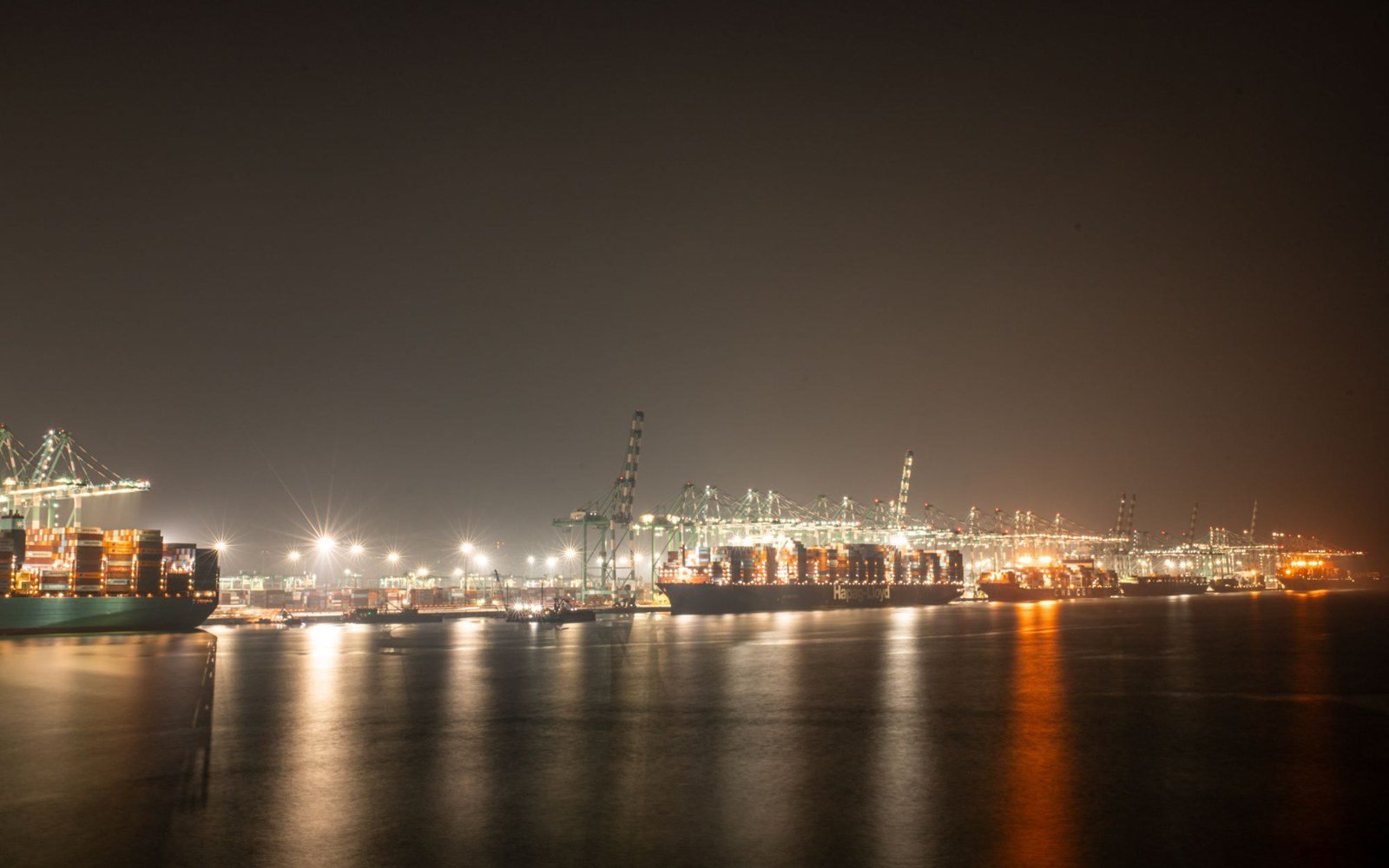
How to choose for a villa order
The decision for a villa is simpler than the guides’ full taxonomies suggest, because a villa is almost always a full container of heavy, fragile, high-value goods with an installation date attached. Four rules cover it.
One, default to FOB for the container. The September 2026 guide’s practice note is the standard one: “For most importers sourcing products from China, FOB is the default choice. It keeps things simple: the factory handles its side, you handle yours, and the handoff at the port is clean.” It is also the term that keeps the leverage where your money is: your forwarder, your insurance, your import clearance, your schedule. The guide’s arithmetic for the experienced buyer is that FOB with a reliable forwarder saves 5–15 percent against CIF/DDP, and it recommends starting every supplier conversation by requesting both EXW and FOB pricing — the gap between the two is the factory’s charge for inland transport and export handling, a line you otherwise pay for blind. And confirm the named port in every quote: “FOB Nansha” and “FOB Shanghai” are different prices, because the inland leg is different.
Two, reserve CIF for the small case. A sample cabinet, one added room shipped after the main container, a correction batch — these are the shipments where booking your own freight costs more in administration than it saves. Take CIF, specify the carrier and the transit in the contract as the March 2026 guide instructs, and still arrange your own full-value cover rather than riding the supplier’s minimum policy. The LCL vs FCL post covers when the small case is LCL and when it is its own small FCL.
Three, treat DDP as an exception you earn. It is the right call when you have no broker and no local clearance capability, the destination rules permit a foreign seller to clear on your behalf, and the three-quote benchmark from the DDP section shows the all-in number is defensible against your own build. It is the wrong call when the only reason is convenience — because convenience, in that term, is priced in a markup you cannot see and a customs practice you cannot audit.
Four, put the term in the contract, with the port, in writing. The term, the named port, the insurance position and the balance-payment trigger all live in the same document for a reason: the contract post is where “who pays what” stops being a chat message. The day-by-day countdown once the term and the vessel are fixed is in the sea freight timeline, the full lane is in the shipping guide, and — because the risk line falls exactly where the goods can still be inspected — the pre-shipment inspection practice is the last control you hold before it: what to check before the container is sealed.
Frequently asked questions
What do FOB, CIF and DDP mean in plain English?
FOB: the supplier pays everything inside their country — production, inland transport, export clearance — and hands you the goods loaded on the vessel; you run the ocean and everything after. CIF: the supplier does FOB’s job plus pays the ocean freight and a minimum insurance policy to your port; you still clear customs and pay duties on arrival. DDP: the supplier does all of that plus import clearance, duties and door delivery — one price, your name on the import. For a villa container, FOB is the default, CIF is the small-case option, and DDP is an exception you earn with a benchmark.
If a container is damaged at sea, who carries the risk under CIF?
You do — that is the line most buyers miss. Under CIF the supplier’s *payment* obligation runs to the destination port, but the *risk* transfers the moment the goods are loaded on board at the port of shipment, the same moment as FOB. The supplier’s insurance is a minimum policy — Institute Cargo Clause C under Incoterms 2020 — not cover matched to a cargo of stone, glass and lacquered fronts. The claim, if one is needed, runs against that minimum policy, and the gap between it and your cargo’s value is the cost of reading only the freight line and not the risk line. Arrange full-value cover yourself, under any term.
Is DDP the safest option for a villa order?
Not automatically. DDP is the simplest, but the September 2026 sourcing guide lists what you give up: the supplier chooses the carrier and route “not necessarily the cheapest or most reliable”, and you are placing “significant trust in the seller to handle import customs correctly in your country” — including the documented cut-rate practice of undervaluing goods at customs. Some destination markets also do not permit a foreign seller to clear on the buyer’s behalf at all. The safe use of DDP is the benchmarked one: DDP quote, FOB quote, forwarder quote, three landed totals compared line by line before the term is agreed.
Why does the same villa look so different priced under FOB and DDP?
Because the two terms price different scopes, not different products. The March 2026 freight guide’s parallel examples show the shape: a $10,000 FOB order builds to a $14,180 landed total with every lane line visible to the buyer, while the same project quoted DDP lands as a single all-in number — $13,500 in the guide’s example — with the lines removed and the margin inside them invisible. The DDP number is not “cheaper” or “more expensive”; it is un-decomposable. That is precisely why the three-quote comparison exists: the FOB build is the only version of the price you can actually check.
What is EXW, and why ask for both EXW and FOB?
EXW (Ex Works) is the floor: the price at the factory gate, where the buyer takes over everything — including export customs inside China, which the March 2026 guide notes is “extremely difficult” without a Chinese entity. The September 2026 sourcing guide explains why it still matters to you: a factory’s first price is almost always EXW, “their lowest price, which makes their numbers look more competitive when comparing quotes across suppliers.” Asking for both EXW and FOB in the same email turns the gap between them into a readable number — the factory’s charge for inland transport and export handling — which is what makes two suppliers’ FOB quotes comparable in the first place.
Do Incoterms apply automatically to my contract?
No — and that is the second line most buyers miss. The September 2026 guide is explicit: “Incoterms are voluntary. They only apply when both parties explicitly agree to them in the contract.” A quotation without a named term, or a contract that leaves delivery to custom, contains no Incoterm at all, only a gap to be filled later by the party with the leverage. The term must be written with its named port — “FOB Nansha”, not “FOB” — and the same document should carry the insurance position and the balance-payment trigger. If you meet a retired term like DDU in a supplier’s template, treat it as information about which rulebook they are working from.
Which term fits your project — or do you already hold quotes in different terms? Send them over and we will return a line-by-line landed-cost comparison, free of charge, whether or not you order from us.